What are recycling symbols on coffee packaging
A coffee bag can look sustainable, yet still confuse buyers about recycling symbols. Wrong marks create doubt, weaken trust, and make disposal harder after the last cup.
Recycling symbols on coffee packaging are small marks that tell buyers what the pack is made from, whether it may be recycled, and how it should be handled after use. They can show material type, recycled content, local recycling limits, or composting rules.
For coffee roasters, these marks are not just design details. They help shoppers make better choices, reduce disposal mistakes, and show that the packaging message matches the real material structure.
Where recycling symbols come from
Recycling symbols started as a simple way to guide people, but they now carry more meaning on modern coffee packs. To use them well, roasters first need to know where they came from and what they can, and cannot, promise.
The best-known mark is the Mobius Loop. It is the triangle made from three chasing arrows. It first became popular in 1970, around the first Earth Day, and it soon became a global sign for recycling. Today, most people know the shape even if they do not know its name.
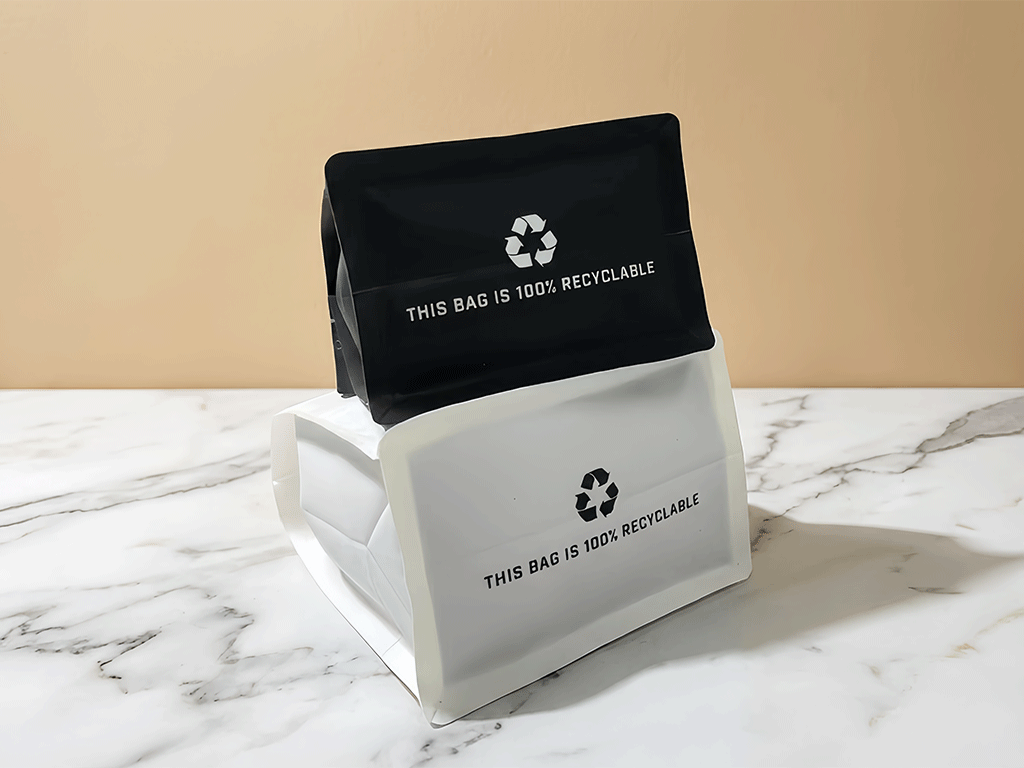
At first, the symbol gave people a simple message: this item may enter a recycling stream. That worked well for paper, glass, and simple plastic items. Coffee packaging is harder because many bags use layers, valves, zippers, inks, and coatings.
Plastic packaging needed a more detailed system. In 1988, the plastics industry created resin identification codes. These codes use numbers from 1 to 7 to show the main plastic resin. For example, #4 often means LDPE, #5 means PP, and #7 can include other plastics or PLA.
These numbers help sort materials. They do not always mean the item can go into a home recycling bin. A mono-material PE coffee bag may have a better recycling path than a foil-lined pouch, even if both carry a familiar arrow shape.
This is the key point for roasters. Recycling symbols are not a promise that every local facility will accept the pack. They show material information or possible recovery routes. Local rules, collection programs, and sorting plants still decide the real end-of-life path.
This gap explains why clear packaging matters. OECD data shows that only about 9% of plastic waste gets recycled worldwide. When coffee bags carry clear disposal notes, buyers have a better chance of taking the right next step.
Common recycling symbols used on coffee packaging
Recycling symbols on coffee packaging often look simple, but they can mean different things. A roaster should understand the common marks before adding them to custom printed bags, compostable pouches, or recyclable flexible packs.
The Mobius Loop is the most common sign. It means the packaging may be recyclable where a suitable system exists. If a percentage appears inside the loop, such as “30%,” it usually points to recycled content in the material.
Resin codes show the main plastic type. Coffee bags often use flexible films, so #4 LDPE and #5 PP matter. A #7 mark may point to mixed materials, other plastics, or compostable PLA, so it needs extra care.
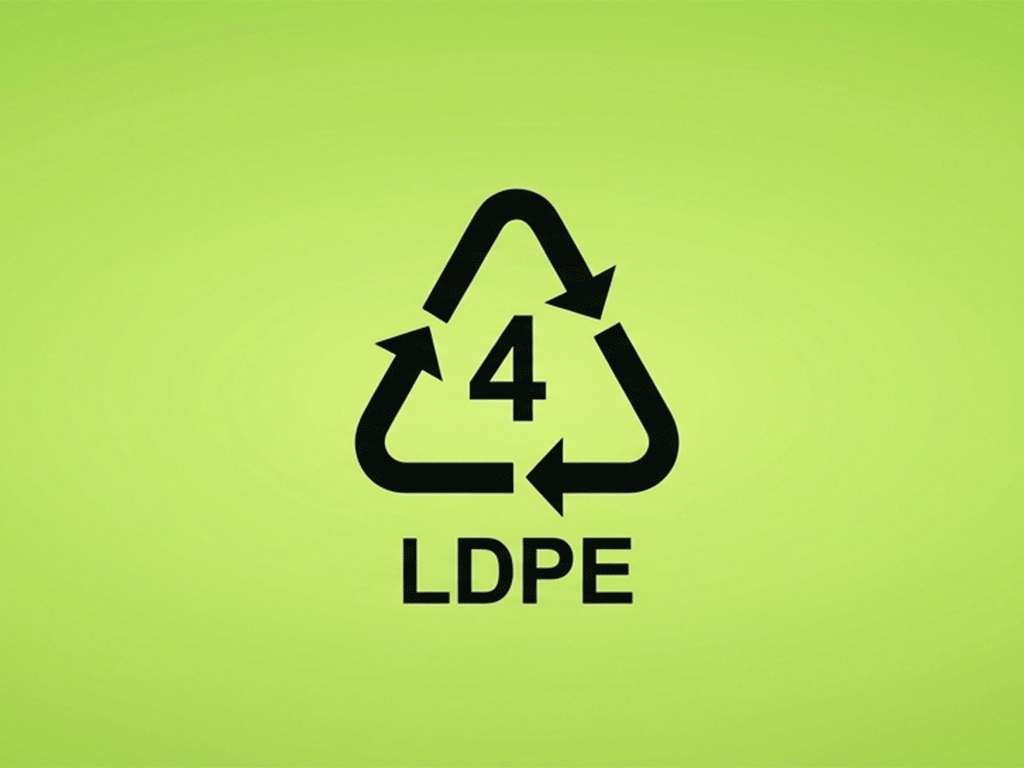
Plastic numbers can help buyers understand the material, but they should not stand alone. For coffee packaging, #4 often relates to LDPE flexible film, while #5 usually refers to PP used in some recyclable mono-material bags. #7 needs the most care because it may cover mixed plastic, “Other” materials, or PLA compostable film. That is why a short line such as “Check locally” or “Industrial composting only” can make the symbol much clearer.
The Green Dot can confuse buyers. It does not mean the coffee bag is recyclable. It shows that the producer has joined a packaging recovery or funding system in some markets. Roasters should not use it as a disposal instruction.
“Widely Recycled” and “Check Locally” marks also need care. In the UK, “Widely Recycled” often links to collection access above 75%. “Check Locally” often fits packaging collected by 20% to 75% of local authorities.
Compostable marks can also mislead people if the wording stays too short. A coffee pouch may need industrial composting, not home composting. If buyers place it in a normal recycling bin, it can contaminate the stream.
For coffee packaging, the safest approach is to match the mark with a short instruction. A symbol alone may look clean on the design, but a few clear words can prevent the wrong action after the bag is empty.
How roasters can use recycling symbols clearly
Recycling symbols work best when roasters treat them as customer instructions, not decoration. A good coffee bag should protect aroma first, show brand information clearly, and still help buyers dispose of the empty pack with less doubt.
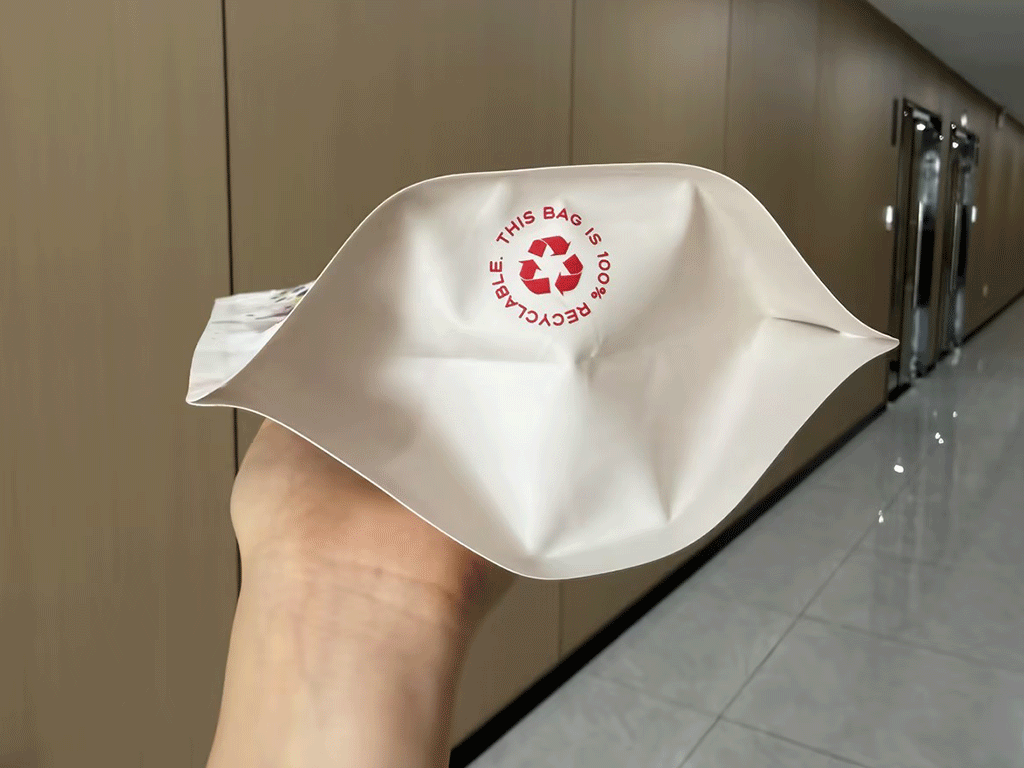
Start with placement. The front panel should usually carry the logo, coffee origin, roast level, tasting notes, and key selling points. The back panel, bottom gusset, or side panel can carry the disposal mark and short recycling text.
Keep the area easy to find. Buyers often look at the back of a bag for brewing notes, roast date, and storage advice. A disposal note near these details feels natural and does not weaken the main design.
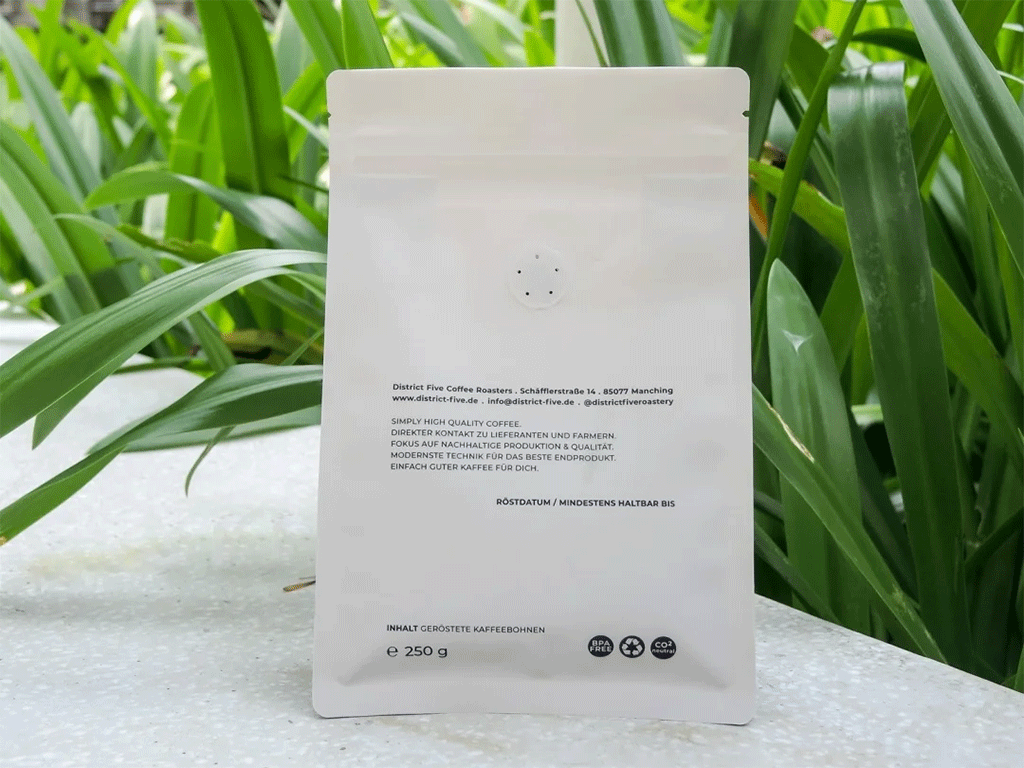
Do not rely on the icon alone. Use short lines such as “Recycle with soft plastics,” “Check locally,” “Remove valve before recycling,” or “Industrial composting only.” These words tell the buyer what action to take.
The material structure should guide the message. A mono-material PE bag, a mono-PP pouch, a kraft paper bag with a plastic lining, and a compostable film do not need the same disposal text. Each structure needs its own clear label.
Roasters should also think about small parts. recyclable and compostable, and labels may affect recycling. If the main bag can enter one stream but the valve cannot, the pack should say so in plain language.
A QR code can help when space is limited. It can link to a recycling guide, a store drop-off page, or a material statement. This works well for small coffee bags where the print area stays tight.
As more coffee roasters choose recyclable packaging, clear recycling symbols are becoming more important. They help customers understand the material and avoid putting empty coffee bags in the wrong waste stream.
YamiPak Coffee offers recyclable and compostable coffee packaging options, including materials such as LDPE, PP, and PLA. We can also print recycling icons, material labels, and simple disposal instructions on custom coffee bags.
To learn more about sustainable coffee packaging, contact the YamiPak Coffee team.
FAQ
Can you recycle coffee bags?
Most mixed-material coffee bags cannot go into regular curbside bins. Some mono-material packs may use store drop-off or special soft-plastic programs.
What do the plastic codes mean?
Plastic codes show the main resin type, from 1 to 7. They help sorting, but they do not guarantee curbside recycling.
Does the recycling triangle mean a plastic item is recyclable?
No. The triangle may only show material type. Always check the disposal wording and your local recycling rules.
Share This Story, Choose Your Platform!

Chris Li
Chris Li is the Marketing Director at YamiPak coffee, with over 10 years of experience in packaging and printing. Passionate about sustainable solutions and innovative design, Chris helps brands create impactful packaging that leaves a lasting impression.