
How to Design Coffee Packaging for Decaf
For specialty coffee roasters, decaf is a growing market opportunity. As younger consumers look to reduce their caffeine intake, it offers a chance to attract health-conscious customers. But how can you design coffee packaging for decaf that distinguishes it from your regular coffee range?
Good coffee packaging for decaf combines brand recognition, useful information and suitable materials. Roasters can use different colours, dedicated labels and clear product details. They should also consider recyclable structures and printing methods. These choices help create packaging that meets customer expectations.
As more roasters expand their decaf ranges, packaging decisions become increasingly important. But what should you consider before creating a new design?
How to Design Coffee Packaging for Decaf
Decaf packaging should differ from regular coffee while retaining familiar brand elements. Roasters can achieve this through background colours or dedicated labels. Both approaches help customers identify decaf.
Start with your existing brand identity. Keep recognisable elements such as logos, fonts and graphic patterns. These details help customers connect the new design with your brand.
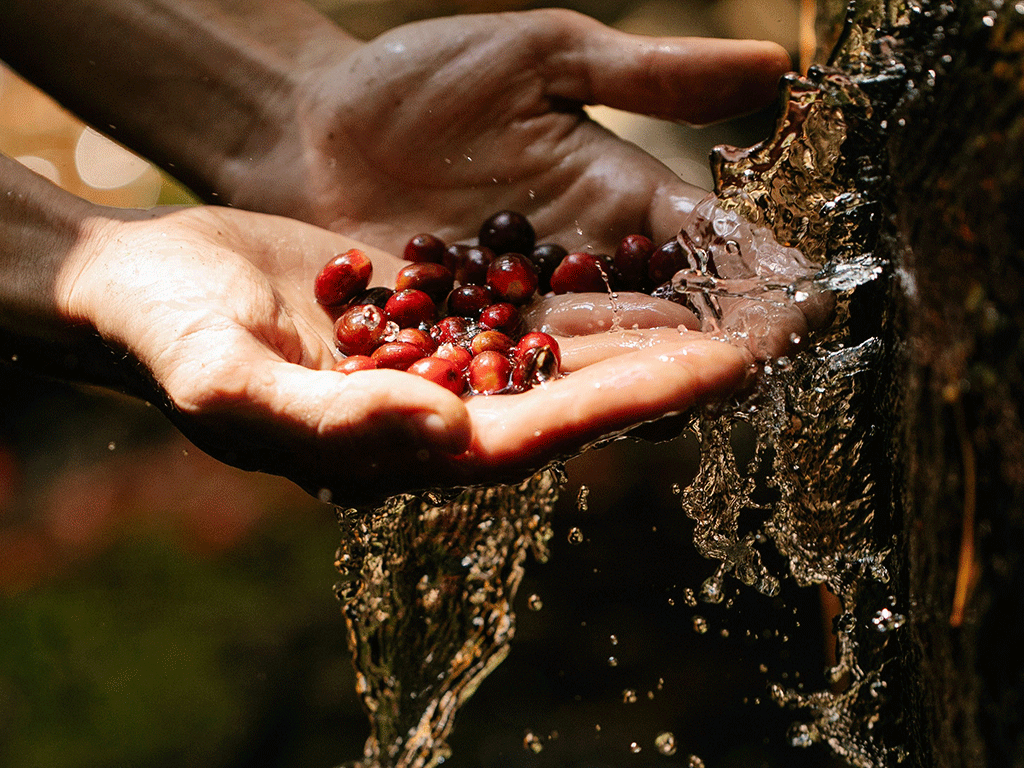
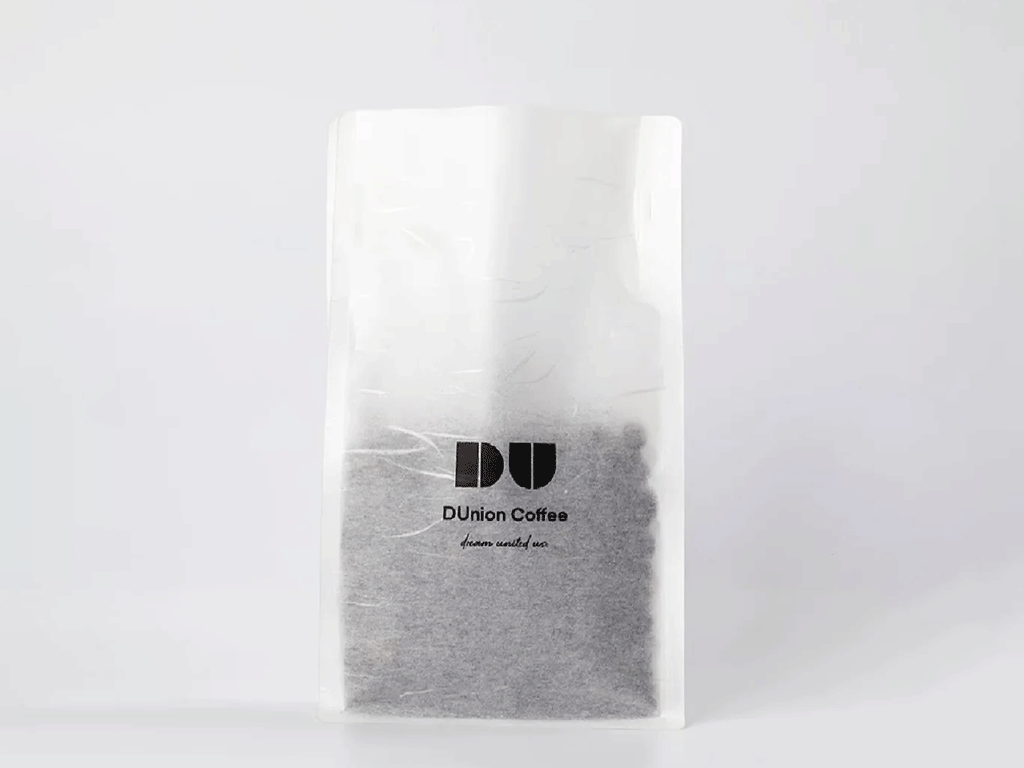
One option is to change the background colour. For example, if regular coffee bags use black backgrounds, decaf bags could use white or lighter shades. This creates a clear visual difference without changing the entire design.
Another option is to introduce a signature accent colour. Purple, green or blue can identify the decaf range. Apply the chosen colour consistently across the packaging.
This follows a “mirror but don’t mimic” approach. Keep the familiar brand elements, but change selected visual details. The result should look familiar without copying the regular coffee design.
Dedicated labels or coloured stickers offer another approach. Roasters can use standard bags and add labels to identify different decaf coffees. This can reduce printing costs, especially for smaller batches.
Labels also make design updates easier. Roasters can change coffee names, origins and tasting notes without printing new bags. Keep the label consistent with your brand’s colours and typography.
The choice depends on your budget and printing needs. Full-colour printing suits established ranges, while labels offer greater flexibility. Both options can create distinctive coffee packaging for decaf.
What Information Should You Include on Decaf Coffee Bags?
Decaf coffee bags should clearly identify the coffee and explain how it was decaffeinated. Include the origin, processing method, roast profile and tasting notes. These details help customers compare coffees and make informed choices.
Place a clear “Decaf” mark on the front panel. Position it near the coffee name so customers can identify it quickly. Avoid making it too small or difficult to read.
The decaffeination method is also worth highlighting. Common methods include:
- Swiss Water Process:Uses water and carbon filtration to remove caffeine.
- Ethyl Acetate (EA) Process:Uses ethyl acetate to separate caffeine from green beans.
- CO₂ Process:Uses pressurised carbon dioxide to extract caffeine.
Use the correct process name provided by your coffee supplier. You can add a short explanation on the back panel. A QR code can also link to more detailed processing information.
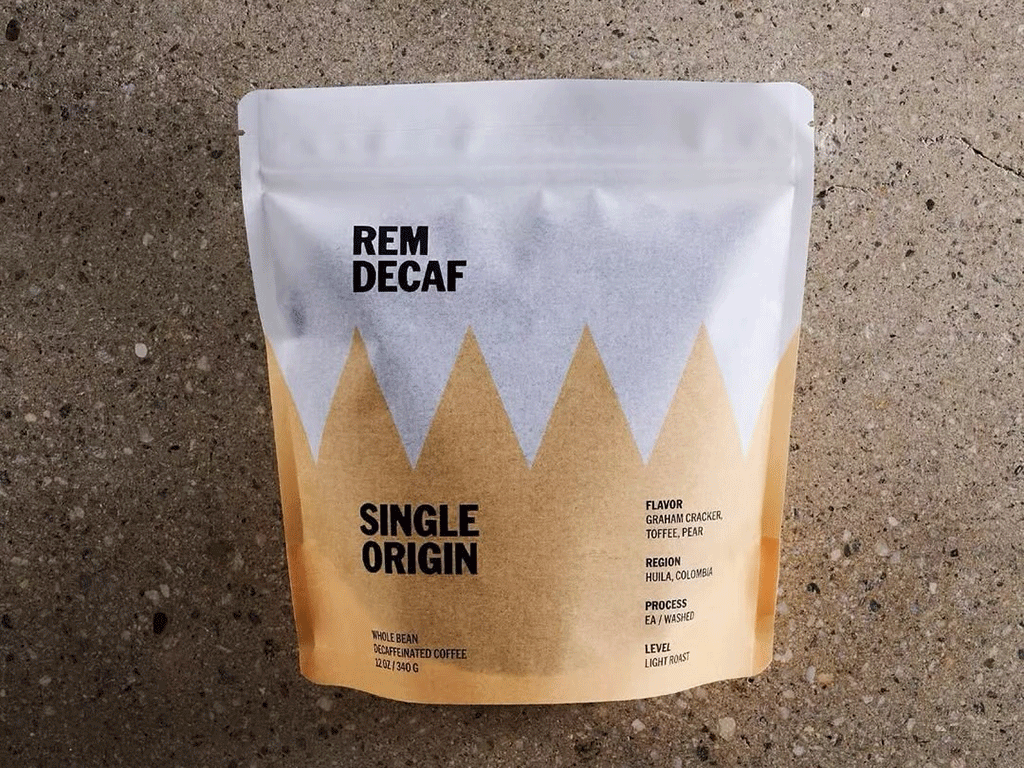
Origin and flavour details deserve space on the packaging, too. Include the country, region, variety and processing method where available. Add specific tasting notes and the roast level to help customers understand the coffee’s character.
For example, the front panel could display:
- Decaf
- Colombia
- Washed Process
- Medium Roast
- Chocolate, Caramel and Red Fruit
Reserve the back panel for additional details. Include the roast date, best-before date and brewing recommendations. Keep the front design focused on the coffee name, Decaf identification and key flavour information. This makes coffee packaging for decaf informative without overcrowding the design.
How to Make Coffee Packaging for Decaf More Sustainable
Sustainable coffee packaging for decaf requires careful material choices. Roasters need to consider environmental impact, coffee freshness and production needs. Recyclable materials can help reduce packaging waste.
Mono-material films are worth considering. They use one main material, such as PE or PP. These materials can be easier to recycle through suitable local systems. However, recycling options vary between regions.
A 2026 life-cycle assessment compared mono-material and multi-material coffee packaging. It reported lower carbon impacts for the mono-material options studied. However, some alternatives offered different levels of barrier protection.
Coffee freshness should remain a priority. Oxygen and moisture can affect roasted coffee during storage. Roasters should choose materials that provide suitable protection throughout the expected shelf life.
Ask suppliers for oxygen transmission rate (OTR) and water vapour transmission rate (WVTR) data. These measurements help compare material performance. Shelf-life testing can also help confirm whether a material suits your coffee.
Printing choices also influence packaging sustainability. Water-based inks can reduce volatile organic compound (VOC) emissions compared with some solvent-based alternatives. They also offer another option for custom coffee packaging. However, check ink compatibility, print quality and food-contact requirements before production.
Roasters should also pay attention to environmental claims. Terms such as “recyclable” and “compostable” need supporting evidence. Check whether the chosen materials meet relevant standards and local disposal requirements.
At YamiPak Coffee, we offer custom coffee packaging solutions for roasters. Our range supports different packaging designs, materials and printing requirements. Roasters can create distinctive decaf packaging while considering their sustainability goals.
Contact YamiPak Coffee to discuss your coffee packaging requirements. Our team can help you explore suitable materials, printing options and custom designs for your decaf range.
FAQs
- Does decaf coffee contain zero caffeine?
No. Decaf coffee still contains small amounts of caffeine. The remaining amount depends on the beans and processing method.
- How is decaf coffee made?
Producers remove caffeine from green coffee beans before roasting. Common methods use water, solvents or carbon dioxide.
- Is all organic decaf coffee water processed?
No. Different decaffeination methods can be used. Organic certification depends on the applicable processing and certification requirements.
Share This Story, Choose Your Platform!

Chris Li
Chris Li is the Marketing Director at YamiPak coffee, with over 10 years of experience in packaging and printing. Passionate about sustainable solutions and innovative design, Chris helps brands create impactful packaging that leaves a lasting impression.
 PPWR Coffee Packaging: How Roasters Can Prepare for 2030